
Third International Conference on Sustainable Urban Development, Resource Conservation, Food Security and Futuristic Technological Trends
SURF 2026
The Carbon Neutral ConferenceOrganised by: Bearys Institute of Technology (BIT) & Bearys Enviro-Architecture Design School (BEADS)
About the Conference
The Third Carbon Neutral International Conference provides a global platform for researchers, academicians, industry experts, technocrats, policymakers, NGOs, and research organizations to address the urgent challenges of climate change, environmental degradation, & sustainable development. As the world faces unprecedented ecological threats highlighted by recent scientific assessments, including the need to limit global warming to 1.5°C above pre-industrial levels, the conference emphasizes the collective responsibility of academia and industry to develop innovative, practical, & sustainable solutions. Organized by BIT & BEADS, SURF 2026 focuses on the integration of artificial intelligence, smart infrastructure, sustainable construction practices, and resilient built environments. The conference fosters interdisciplinary collaboration, knowledge exchange, and the presentation of original research that advances environmentally responsible technologies, promotes carbon neutrality, & contributes toward creating a more sustainable & resilient future for humanity. Conference will be Conducted in hybrid mode, the conference provides a platform for knowledge exchange, innovation, and collaboration toward developing resilient and environmentally responsible systems.
About Bearys Education

BIT Bearys Institute of Technology (BIT), established in 2009 under the Bearys Group, is a premier engineering institution affiliated with VTU and approved by AICTE. Located within the eco-friendly Bearys Knowledge Campus near Mangalore University, BIT offers undergraduate, postgraduate, and research programmes supported by modern infrastructure, advanced laboratories, experienced faculty, and a strong research ecosystem. Accredited by NAAC and NBA (ECE & CSE), the institute emphasizes Outcome-Based Education (OBE), innovation, industry collaboration, and sustainability to develop globally competent engineers capable of addressing emerging technological and societal challenges.

BEADS Bearys Enviro-Architecture Design School (BEADS) is a progressive School of Architecture affiliated with VTU and approved by the CoA. Situated within the eco-friendly Bearys Knowledge Campus, BEADS offers a five-year Bachelor of Architecture programme that blends design excellence with sustainability, innovation, and experiential learning. With modern infrastructure, industry collaborations, and a strong focus on research, green architecture, and hands-on learning, BEADS nurtures socially responsible architects equipped to create sustainable and resilient built environments.
Conference Committee
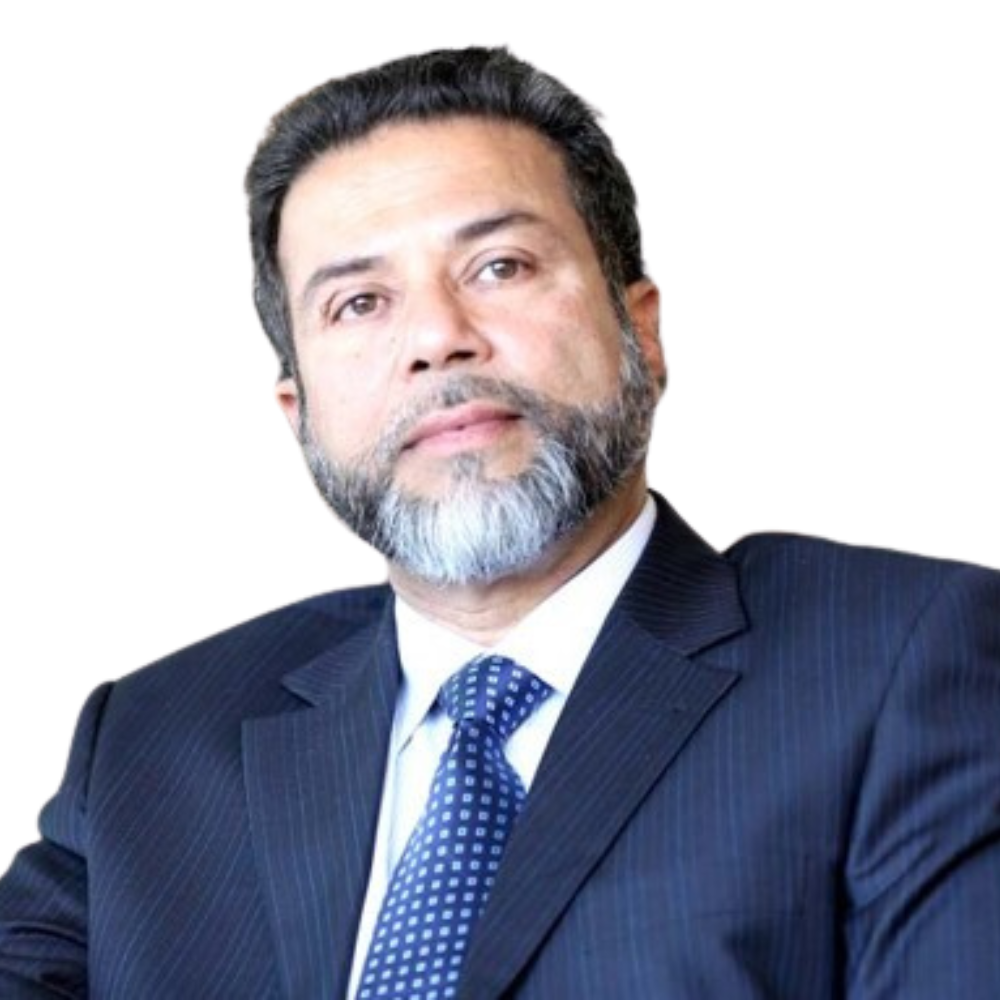
Mr. Syed Mohamed Beary
Chairman, Bearys Academia of learning, India
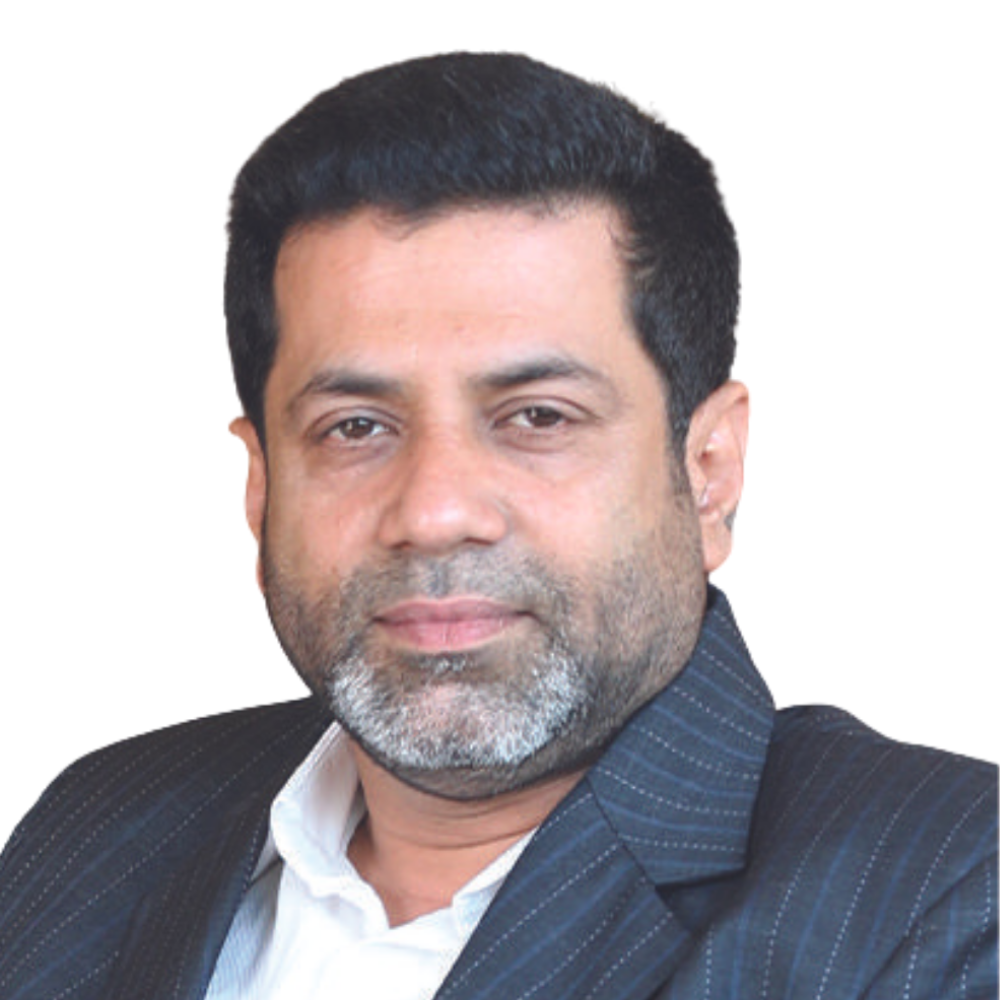
Mr. Siddique Beary
Trustee, Bearys Group

Mr. Mazhar Beary
Trustee, Bearys Group
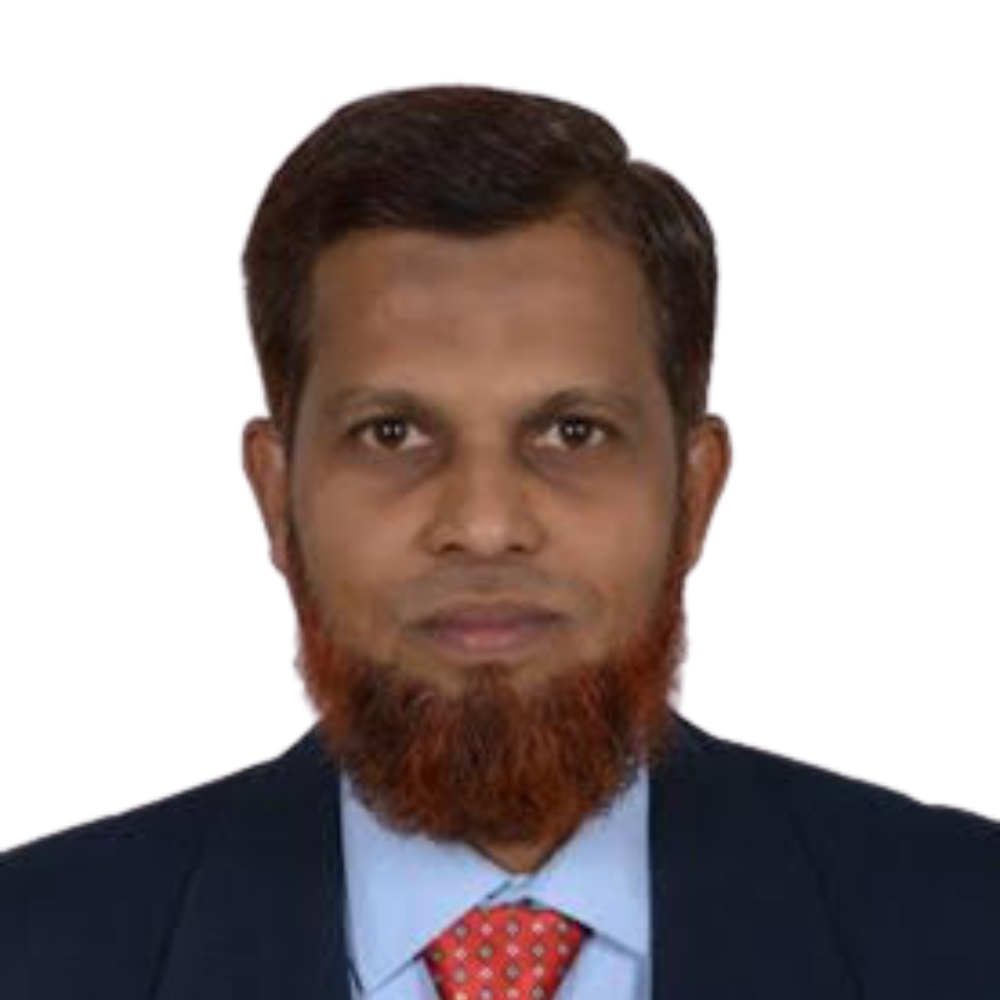
Dr. Manjur Basha S.I
Director, BKC, Mangalore
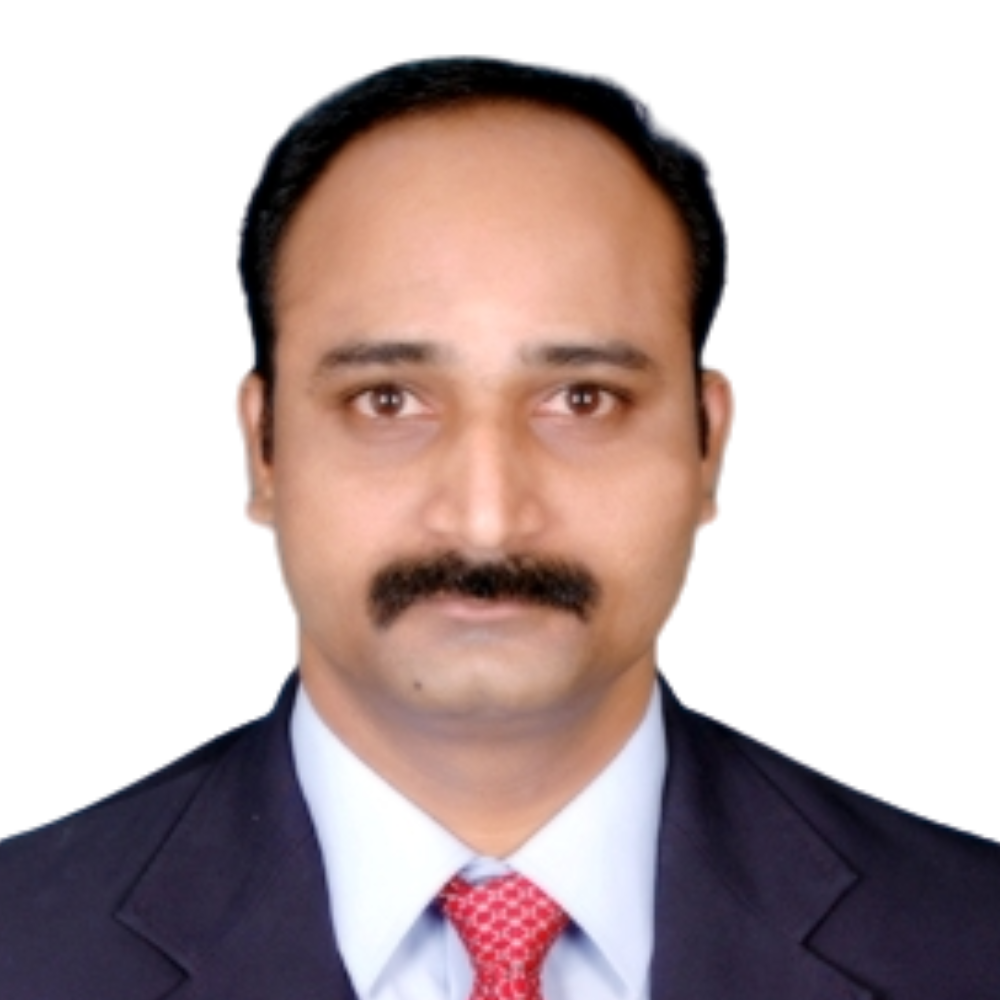
Dr. Kamalakannan C
Principal, BIT Mangalore, India
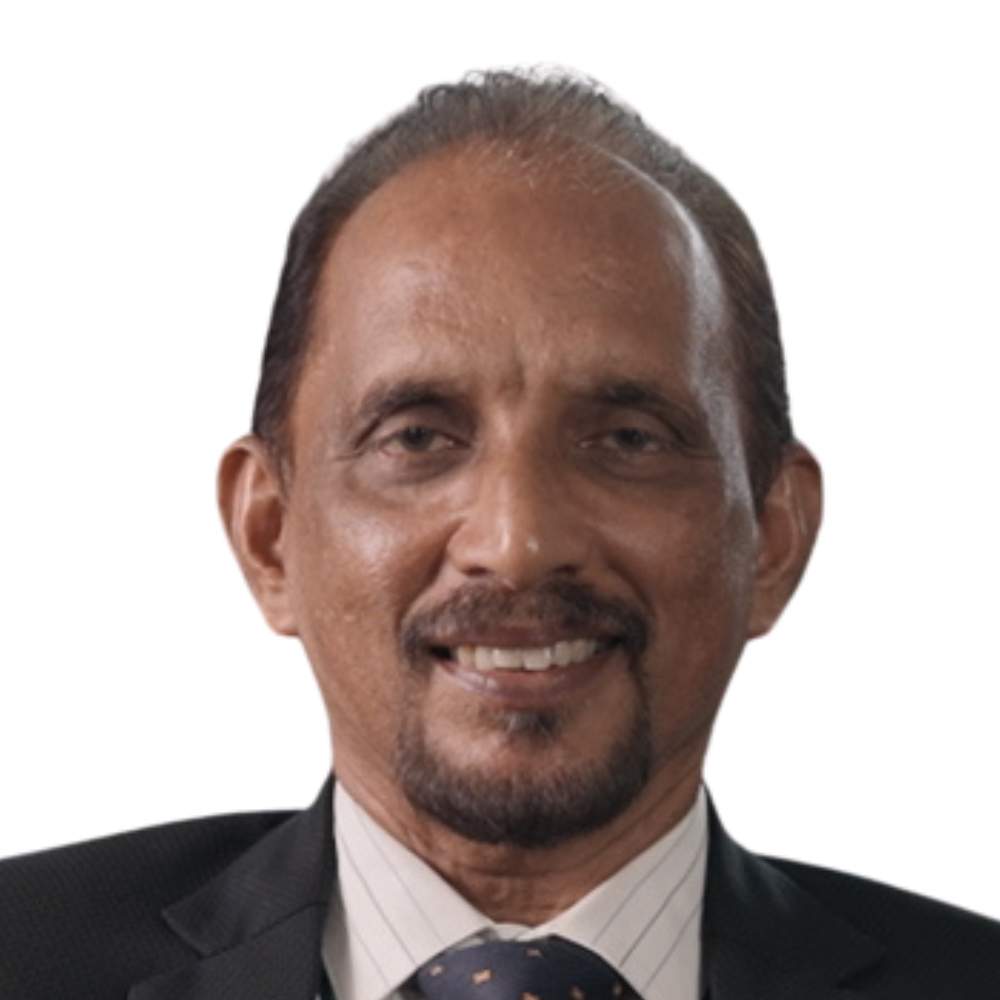
Dr. Aziz Musthafa B
Principal, BIES - Mangalore, India
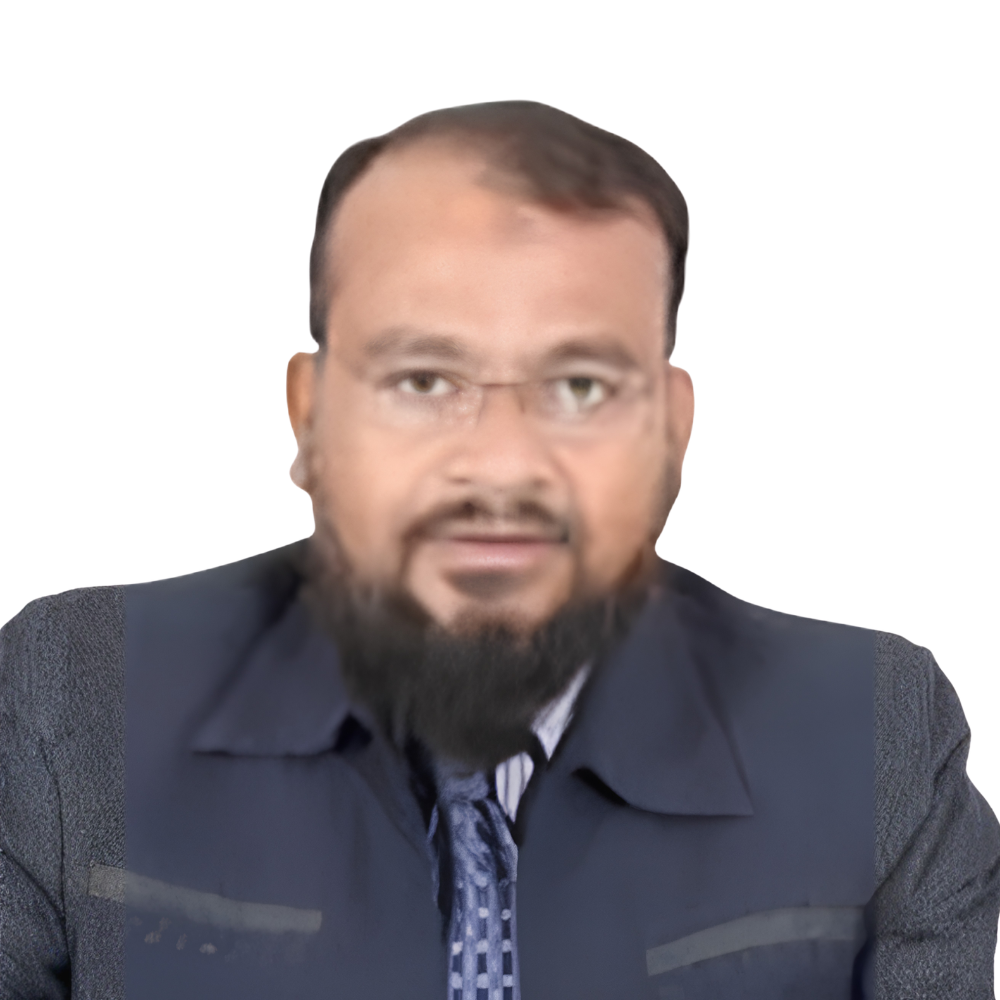
Dr. Abdullah Gubbi
Professor, Dept. of ECE, BIT, Mangalore

Ar. Najid SVP
HOD, BEADS Mangalore, India
Advisory Committee
Dr. Vidyashankar S
Visvesvaraya Technological University, Belagavi
Prof. P. L. Dharma
Mangalore University, Konaje, India
Dr Chaminda Hewage
Associate Dean Research (Interim), Cardiff School of Technologies, UK
Dr. Ashwin Srinivasan
BITS Pilani K K Birla Goa Campus, India
Dr. Mohammed Misbahuddin
C-DAC Bangalore, India
Dr. Ruban S Raj
St. Aloysius School of Engineering, Mangalore
Dr. Mohammad Fazle Azeem
Aligarh Muslim University, UP India
Dr. Deepthi P. P.
National Institute of Technology Calicut
Dr. Saif Abrar
IBM Bangalore, India
Dr. Shadab Khan
Multimedia University Malaysia
Dr. Veershetty Gumtapure
NITK Suratkal
Dr. SA Khan
Professor, IIUM, Malaysia
Dr. Hadi Habaibi
IIUM, Malaysia
Dr. T.J. Ramesh
Senior Scientist & Head, KVK, Mangalore, India
Dr. Muhammad Abdul Mujeebu
Imam Abdulrahman Bin Faisal University, KSA
Dr. D. S. Suresh
CIT Gubbi, India
Technical Program Committee
Dr. Mohit P. Tahiliani
NITK, Surathkal, India
Dr. Chengappa Munjandira
HP Enterprise, Bangalore, India
Dr. Niranjan U. C.
MDN Manipal, India
Dr. Farrukh Sayeed
ACE College of Engineering
Dr. Poornalatha G.
MIT Manipal, India
Dr. Farukh G M
Govt Engg College, Haveri, Karnataka, India
Dr. Prashant Mishra
TCS Research, Bangalore, India
Dr. Chandrakanta Kumar
ISRO Bengaluru, India
Dr. Tanvir Ali
MIT Manipal, India
Dr. Ajith
Sahyadri Engg College, Mangalore, India
Mr. Hrishikesh Bhandarkar
CodeZyng Private Ltd., Udupi
Dr. Dharanesha N K
Veterinary Pathology, KVK, Mangalore
Dr. Harish Shenoy
Scientist (Agronomy), KVK, Mangalore
Dr. Kedaranath
Scientist (Plant Protection), KVK, Mangalore
Dr. Mallikarjuna, L.
Scientist (Soil Science), KVK, Mangalore
Dr. Rashmi, R.
Scientist (Horticulture), KVK, Mangalore
Dr. Demian Antony Dmello
Canara Engineering College, Mangalore
Dr. Tanweer
Professor, MIT, Manipal
Dr. Abdul Lateef Haroon P S
Associate Professor, BITM, Ballari
Dr Tanvir H Sardar
Professor, Dayananda Sagar University, Bengaluru
Dr. Sayed Abdulhayan
Professor, SECAB, Vijaypur
Dr. Rashmi P Karchi
Professor & HOD, NCET, Bengaluru
Dr. Sanjeevakumar M. Hatture
Professor and HoD, NCET, Bengaluru
Dr. R Shashikumar
Professor, REVA University
Program Chairs
Dr. Vasudeva
NMAMIT, NITTE, India
Dr. Gurusiddayya Hiremath
SCEM Mangalore, India
Dr. Jeevitha B. K.
VCET Puttur, India
Dr. Sharmila Kumari M
PACE Mangalore, India
Dr. Nagaraja Rao
SMVITM, Bantakal
Dr. Vishwanath P
Sir M Visvesvaraya College of Engg, Raichur
Organizing Committee
Ar. Najid
BEADS-Mangalore, India
Mr. Mohammad Sinan
BIT- Mangalore, India
Mr. Prithvi Raj M
BIT- Mangalore, India
Dr. Imran Mokashi
BIT- Mangalore, India
Dr. Altamashuddin Khan
BIT- Mangalore, India
Dr. Ubaidulla
BIT- Mangalore, India
Dr. Nubila Jaleel
BIT- Mangalore, India
Dr. Anjum Khan
BIT- Mangalore, India
Dr. Vinutha
BIT- Mangalore, India
Dr. Vasanth Kumar
BIT- Mangalore, India
Dr. Shaik Ameer Basha
BIT- Mangalore, India
Themes and Tracks
Sustainable Urban Development
- Urban Sustainability and shift to Low Carbon Development
- Sustainable Housing and Urban Neighborhoods
- Sustainable Vernacular Architecture
- Sustainable, Green, and Circular Materials
- Smart & Automated Construction Execution
- Sustainable Water & Waste Management
- Urban Resilience and Climate Adaptation
- Innovative Binders and Matrix Reinforcement
Resource Conservation
- Energy Conservation
- Embodied Energy in Building Materials
- Smart Grids
- Integration of Renewable Energy Sources for Urban development
- Eco Design and Eco-Friendly Development
- Green Development and Construction Systems
- Low Energy Architecture
- Low-Cost Building
- Circular Economy and Resource Management
Food Security
- Food Security and Resilience
- Food Preservation and Safety
- Agricultural and Food Economics
- Food Security, Poverty and Sustainability
- Starvation and Food Waste Management
- Cold Storage and Logistics Management
Advances & Recent Trends in Engineering & Technology
- Civil Engineering
- Computer Engineering and Technology
- Electrical and Electronics Engineering
- Environmental Engineering
- Electronics and Communications Engineering
- Electrical, Electronics and Communications Engineering
- Information Science and Engineering
- Materials Sciences and Engineering
- Mechanical Engineering and Technology
- Renewable Engineering & EV Technology
- Bio Science
- Artificial Intelligence & Data Science
- IOT & Cyber Security
Submission Guidelines
Please review the format and track requirements carefully before submitting your manuscript.
1. Paper Submission
- Authors are invited to submit original, unpublished research papers related to the themes and tracks of SURF-2026.
- Papers must present original research, applications, case studies, or significant technical contributions.
- The manuscript must not have been previously published.
- The manuscript must not be under consideration for publication elsewhere.
- At least one author of an accepted paper must register and present the paper at the conference.
- All submissions will undergo a peer-review process.
- Papers must be submitted electronically through the Microsoft CMT submission portal.
- The paper should be submitted in PDF format.
2. Conference Tracks
Authors should select the most appropriate track during submission. The major areas may include:
- Sustainable Urban Development
- Resource Conservation and Environmental Sustainability
- Food Security and Agricultural Technologies
- Futuristic Trends in Engineering & Technology
3. Manuscript Format
Ensure your paper adheres to the official conference formatting guidelines before submitting.
Important Dates
Ensure you note down these essential milestones to align with our submission portals and registration deadlines. Late submissions will not be extended.
Registration & Payment Details
| Registration Type | Indian Author | Foreign Author |
|---|---|---|
| Industry persons | ₹5000 | $100 |
| Faculty/Research Scholars | ₹2000 | $75 |
| UG/PG students | ₹1500 | $50 |
| Poster Presentation offline only | ₹1500 | $50 |
| Attendees / Other authors | ₹1000 | $25 |
Bank Account Details
Please note: The 5th character of the IFSC code is the number 0 (zero).
Publications & Awards
Publication: Accepted papers will be published in the conference proceedings with an *ISBN number. Selected papers may also be recommended to suitable **Scopus-indexed journals*, subject to peer review, necessary modifications, publisher requirements, and applicable additional publication charges. The organizers will guide authors through the publication process; however, publication is subject to the publisher/journal’s final decision.
Conference Awards: The most outstanding and impactful papers presented in the conference will be awarded based on originality, scientific merit, and overall contribution.
How to Register
Contact Details
CMT Acknowledgment
The Microsoft CMT service was used for managing the peer-reviewing process for this conference. This service was provided for free by Microsoft and they bore all expenses, including costs for Azure cloud services as well as for software development and support.




Frequently Asked Questions (FAQ)
Yes. The conference will be held in hybrid mode.
Yes. Since it is a hybrid event, online presentation is allowed.
No. Physical attendance is not mandatory – you can participate remotely.
Maximum of 20 pages
Yes. A dedicated registration category for UG/PG students is available, so students are welcome to submit and present.
Typically, each paper requires a separate registration and presentation.
Yes. Acceptance requires completion of registration and payment, as indicated on the registration page.
Please contact the organisers to ask about hotel recommendations or any support.
For any cancellation or refund queries, please reach out to the committee directly.
All submitted papers undergo a rigorous peerreview process. Accepted papers will be recommended for publication in Scopusindexed journals, but additional charges may apply.